
At Lead in Literacy, I work with teachers every day who are committed to providing structured, targeted small-group instruction that makes a meaningful impact for students. But that doesn’t mean it’s always easy to implement!
Below, I’m answering some of the most common small group questions we hear from teachers like you. Whether you’re just getting started or looking to refine your routine, we hope this helps you feel more confident and supported in your tier 2, small group instruction.
What do I teach during small group instruction?
Small group instruction is your time to focus on the specific phonics skills your students need to master to become skilled readers. This could include:
Your small group time is designed to offer students intentional, differentiated practice. It is not the time for brand new instruction. You’re reinforcing and reviewing what students need most, based on the data you have collected.
Check out this blog post for more details on what to teach during small group instruction.
What does a small group lesson look like?
While the details may shift based on student needs, a high-impact small group lesson follows a predictable routine. Inside Leaders of Literacy, our lesson plans include:
- Phonemic Awareness Practice
- High Frequency Word Review
- Blending Lines
- Dictation Practice
- Decodable Text Reading + Quick Comprehension
- Optional Extension: Writing or Word Awareness activities
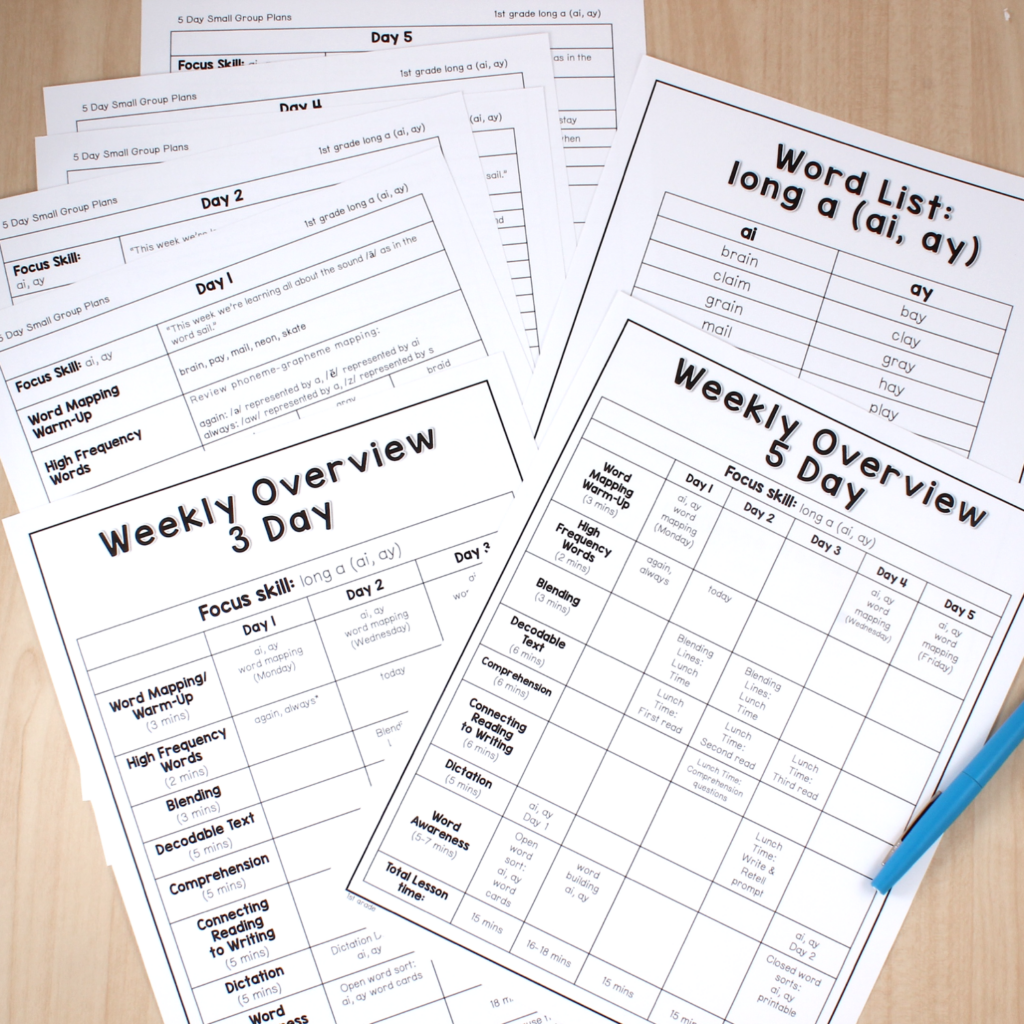
Consistency is key. When students know the routine, your time together becomes more efficient and productive.
What materials do I need to teach small groups?
You don’t need a lot of fancy tools, just high-quality, skill-aligned materials. Here’s what we recommend:
- Your small group lesson plans
- Whiteboards
- Blending lines
- Decodable passages aligned to target skills
- Letter tiles or sound boxes (optional for word mapping)
- Data and progress monitoring tools
Inside Leaders of Literacy, all of this is provided for you. No Pinterest scavenger hunts required!
How do I group students for small group instruction?
When a student fails to meet benchmark criteria on a universal screening test, we must provide them with targeted small-group instruction to help them catch up.
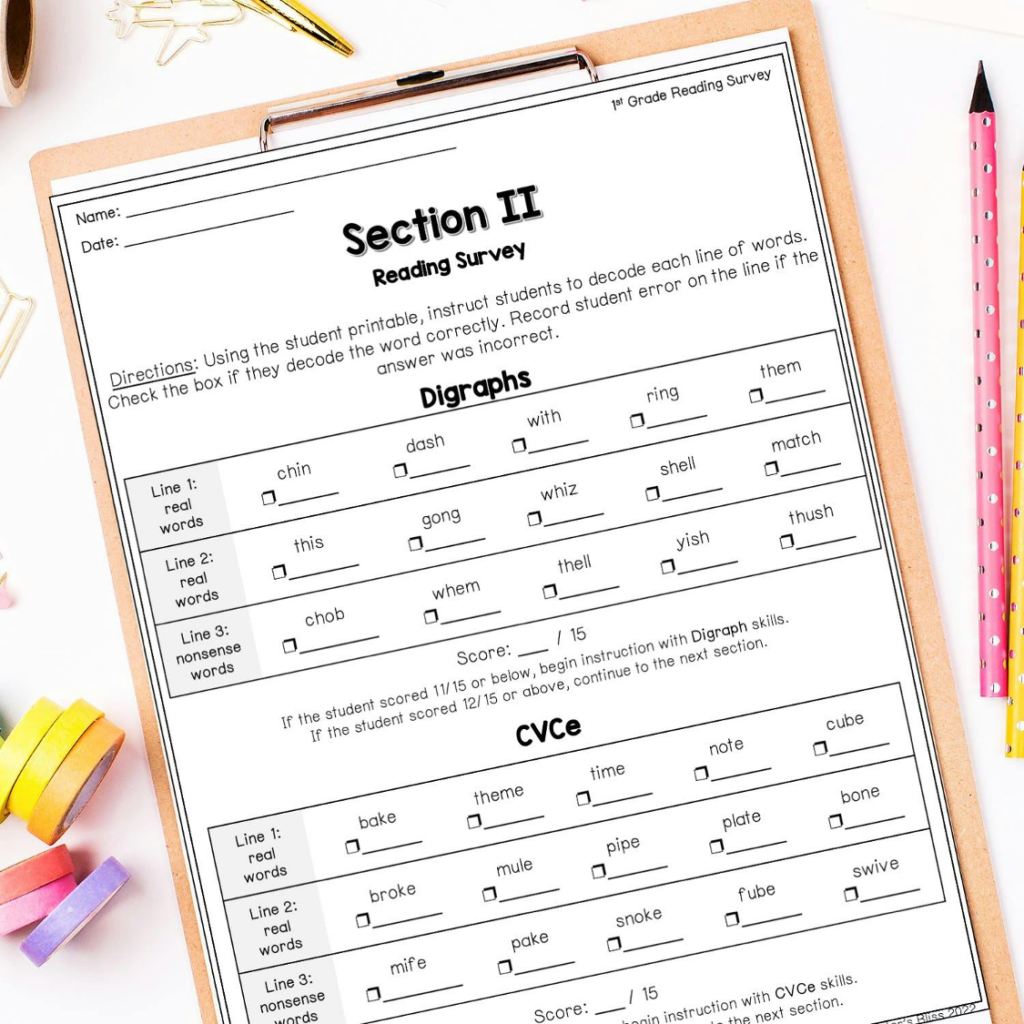
Your small groups are based on shared skill deficits. Students who are working on the same skill (e.g., digraphs, blends, silent e) will be grouped together, even if their reading levels vary.
Groups are flexible and should change as students’ needs change. Consider using progress monitoring data to regroup students approximately every six weeks.
How do I fit it all in?
This is the question we hear most! The key is to:
- Stick to a clear, consistent lesson structure.
- Explicitly teach routines and procedures for centers so that students can work independently, allowing you to focus on your group without interruption.
- You do not have to meet with every group every day. Aim to see students who are working below grade level each day. Students at grade level
- If you are short on time, prioritize phonemic awareness practice and offer opportunities for application of the skill (dictation and decodable texts). We know application is how skills stick!

How much time do I dedicate to small groups?
Most small groups meet for 15–20 minutes, depending on student needs. Younger students or those working on more foundational skills may need shorter, more frequent groups. If you have a 45 minutes for small groups and centers, aim to see 2-3 groups each day.
How do I know if my instruction is working?
While providing tier 2, small group instruction, use progress monitoring data (quick checks, informal observation, and reading behaviors) to determine if students are progressing in the following ways:
- Are students mastering the target skills?
- Are they applying them in their reading and writing?
- Are assessment scores improving?
- Are students becoming more confident?
If three students are making progress and one student is lagging behind, an option to consider is to provide this student with 10 minutes of review, practice, and additional focused instruction on material previously taught.
If none of the students are making progress, take a careful look at your small group instruction. It may be missing critical components or moving too fast for the students to master the target skills.
What are the other kids doing when I am teaching my small groups?
While you work with a small group, the rest of your students should be engaging in meaningful, independent literacy centers that reinforce previously taught skills. Think:
- Word work
- Listening centers
- Partner reading
- Writing
- Decodable fluency review

In Leaders of Literacy, we include a full year’s worth of print-and-go centers that align with your phonics scope and sequence, so you can keep the rest of your class learning while you work with your group.
A Simpler Way to Plan and Teach Your Small Groups
Your small group instruction doesn’t have to feel complicated or pieced together. With clear routines, aligned materials, and intentional, data-driven planning, it can become one of the most powerful parts of your day.
Leaders of Literacy puts pieces of small group instruction in place for you.
When you’re a Leader of Literacy, the plans are written, and the materials are ready. The instructional decisions have been made for you. Everything works together so you can provide targeted, differentiated instruction without having to start from scratch each week.
Become a Leader of Literacy and experience what it feels like to teach small groups with clarity and confidence.
.